Decade-by-Decade guide to Beauty

Nothing stays the same and your skin is no exception. The face you see in the mirror today will probably be different from the face you see in 10 years. With simple and sensible health and skin care strategies, you can look great at any age.

Here’s a decade-by-decade guide to help you choose the right products for you and to recommend the right products to your clients

Teens

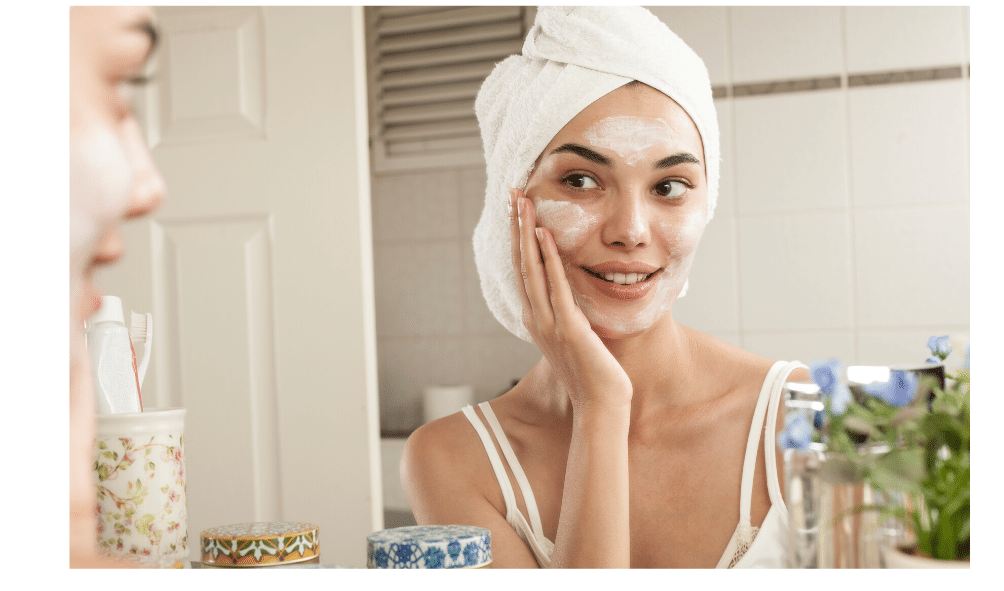
Teens Right now skin is at the peak of its powers… it’s firm, resilient and even. However, many teens find that oiliness and blemishes present a challenge. Although it won’t be apparent for many years, the damage that occurs today is what will be evident when older. Encourage teens to take good care of their skin right now, it will stay younger-looking for longer.


Tips for Teens

Avoid UV exposure and use products with SPF15. Get into the skin care habit, including cleansing, toning and moisturizing morning and evening..

20s

The skin cells regenerate at top speed, leading to a complexion that’s generally smooth and radiant. Plus collagen and elastin, the proteins that give skin its resiliency, firm and plentiful. Prevention is the primary job, to maintain this youthful glow for as long as possible.

The oil control products that served well at 16 may not be suitable and could be too drying for the complexion today.

Tips for 20s

Avoid UV exposure and use products with SPF15.

Cleanse, tone and moisturize morning and evening.

30s

The times are changing and your skin is no exception. Ageing, the stress of a career and pregnancy all lead to some significant changes in your complexion. These may include a few fine lines around your eyes and mouth, some loss of skin tone and even adult acne.

The 30s is the decade when cell turnover begins to slow, leading to dullness and uneven skin tone.

Exfoliation treatments are suggested to help enhance the natural exfoliation process, even out skin tone and even diminish the appearance of fine lines.

40s

Deeper wrinkles and less elasticity and firmness are the most common conditions of skin in this decade. They’re caused by two main things: years of UV exposure and a declining amount of estrogen. Together these factors erode the skin’s underlying support structure and inhibit its ability to retain moisture.

Look for cleansers and toners with more moisturising capabilities; rich crèmes that soothe and protect. Increase the frequency of exfoliation treatments to compensate for slower cell renewal.

Night-time is the right time for products that combat wrinkles and loss of tone and moisture. As you sleep, your skin works diligently to renew itself. A good night crème or lotion supports skin’s after-dark efforts.

Regular treatment with brightening products will diminish these areas and produce clear, even skin.

Using skin repair treatments is suggested.

50s and Beyond

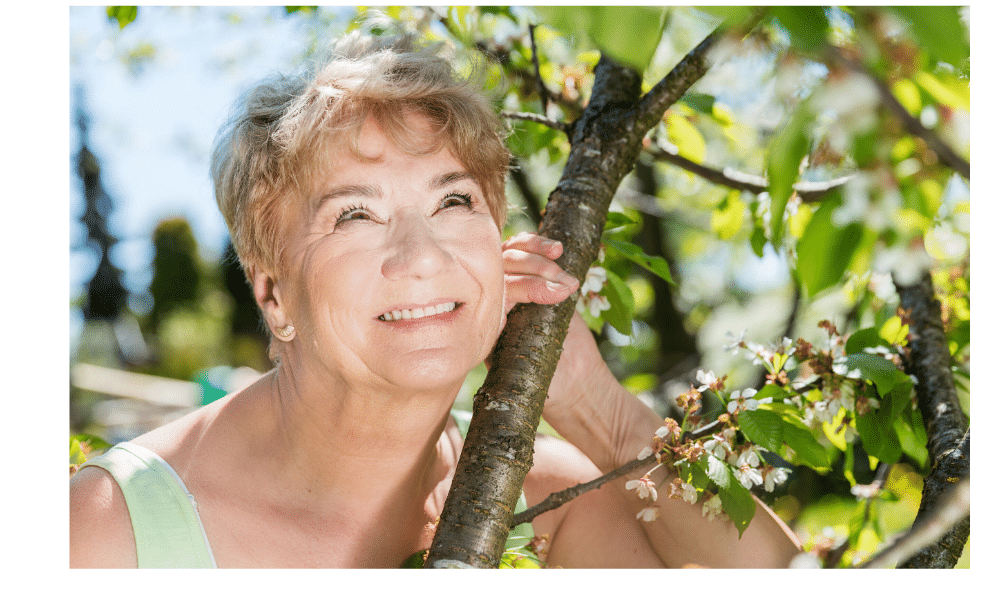
With today’s healthy lifestyles and longer life expectancies, at 50 you’re just getting started. As far as your skin is concerned, you can expect several changes. At this stage of your life, underlying cells begin to flatten, causing it to become thinner. Lower levels of collagen and elastin, combined with changes in how they interact with the lower layers of your skin can cause sagging. And many women experience drier skin. Often dark spots become prominent as a result of hormonal shifts of menopause and/or sun damage.

FACTORS THAT AFFECT YOUR SKIN

Free radicals

If you were able to view your body’s cellular activity through a powerful microscope, you would meet up with one of its most powerful enemies: free radicals.

Free radicals actually attack the healthy cells in your body. They tear through the cell membrane, compromising its function and structure, and ultimately destroying it. One free radical can lead to others in a destructive chain reaction called oxidation, which leads to skin damage and ageing. It manifests as fine lines, wrinkles, uneven and dull skin tone and loss of firmness and elasticity. Oxidation is also implicated in the development of numerous diseases, including heart disease and cancer. You can learn more about free radicals here.

Click here if you would like to find out more about understanding your skin structure