
Antioxidants: The Free Radical Antidote

Antioxidants are oxygen molecules with an ‘extra’ electron. They attract free radicals and then neutralise them by donating an extra electron, and thereby turning them back into normal oxygen molecules.

In doing so, the antioxidants become oxidised. That is why there is a constant need to replenish your antioxidant resources.

The term “antioxidant” literally means “against oxidation”. These are the crusaders against the free radicals and the oxidation processes that damage our skin and our health.
Naturally occuring Antioxidants

  • Superoxide Dimutase (a celluar enzyme that degrades free radicals)
  • Glutathione (an amino acid which detoxifies and defends against damage from smoking and radiation)

External Antioxidants

  • Vitamins A, C and E
  • Certain minerals, including selenium and zinc
  • Green Tea
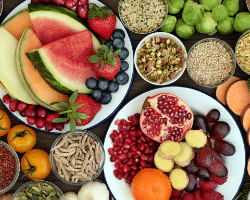
  • Fruits and Vegtables
  • Grape seed extract
  • Tumeric

What are free radicals?

Free radicals are oxygen molecules in our body. A stable oxygen atom has 8 electrons. Free radical molecules are missing one of the 8 electrons. When a free radical releases or steals an electron, a second radical is formed.

This molecule then turns around and does the same thing to a third molecule, continuing to generate more unstable products. This chain reaction has the potential to damage every cell in our body, even our DNA cells. Over time, this damage can permanently affect our cells ability to recover; our skin ages prematurely.


Fighting Free Radicals

The best free radical-fighting strategy is a multi-level, antioxidant approach:

  • Choose skin care products that contain topical antioxidant ingredients to boost your skin’s defenses against sun damage and pollution
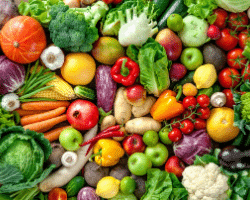
  • Stick to a healthy diet that includes plenty of fresh fruits and vegetables
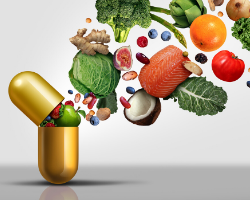
  • Choose vitamin and mineral supplements with powerful antioxidants to supplement what our bodies produce, and boost decreased antioxidant ageing

What Causes Free Radicals?

Free radicals are triggered both internally and externally.

Internal Triggers

  • Our bodies’ own normal energy production process
  • Normal metabolism of fat, carbohydrates and proteins
  • Digesting fatty foods, processed foods, alcohol and caffeine
  • Chemicals and endocrines produced by stress
  • Low blood supply caused by heart attacks or strokes

External Triggers

  • Smoking
  • Pollution
  • UV Expsoure
  • Fatigue
  • Toxic Chemicals